
Some stories deserve to be told.
Take Me Back was created from a simple belief: some of the best stories in college sports are the ones we rarely get to hear.
Long after the final whistle, the people who lived those moments still carry the memories—the teammates, coaches, traditions, challenges, funny moments, and experiences that shaped their lives. Take Me Back gives former players, coaches, broadcasters, managers, reporters, and others a place to share those stories in their own words.
This isn't about just reliving a box score. It's about remembering what it felt like to be there.
Why I created Take Me Back
For me, sports have always been about more than the final score. They're about the people, places, memories, and moments we carry with us long after the game ends.
I grew up in South Bend, Indiana, where college football, and Notre Dame in particular, was a part of the fabric of the community. Some of my favorite memories aren't simply of wins and losses. They're the stories surrounding the games, the people who were there, and the moments that still make people smile decades later.
The more I thought about those stories, the more I realized how many of them never get told. Former athletes, coaches, managers, broadcasters, reporters, and others have experiences that rarely appear in a record book or highlight reel.
Take Me Back exists to give those stories a place to live.
My goal is simple: have genuine conversations, ask thoughtful questions, and give guests the opportunity to take us back to the moments that mattered to them.
About Kevin…
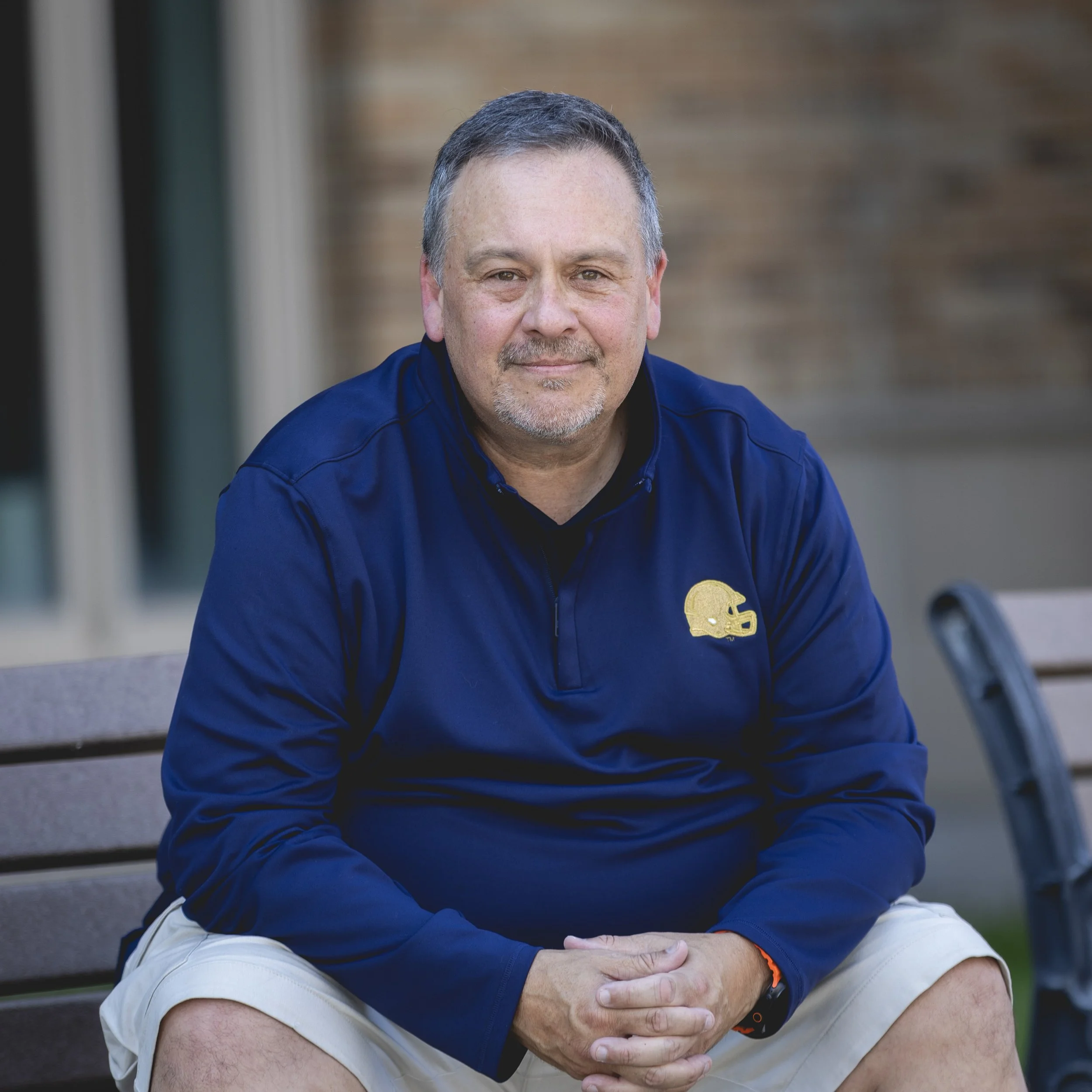
Kevin Riggs is the creator and host of Take Me Back. A lifelong sports fan who grew up in South Bend, Indiana, Kevin has always been fascinated by the stories and people surrounding college athletics.
A former teacher and high school administrator, Kevin spent much of his career listening, asking questions, building relationships, and helping people tell their stories. Take Me Back brings those experiences together with his love of sports and conversation.
Kevin created the show to preserve the memories that don't always make the headlines—and to give the people who were there the opportunity to tell those stories themselves.